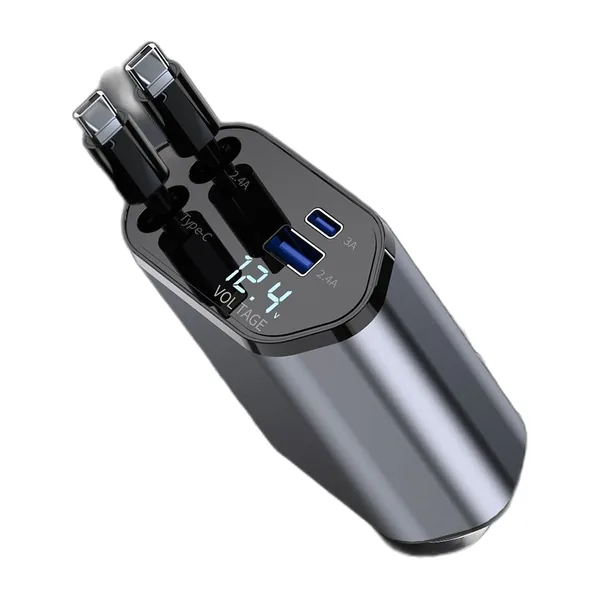
4-in-1 car charger with two retractable USB-C cables
12-24 V car charger with two 80 cm retractable USB-C cables, one USB-A port and one USB-C port, plus a car battery voltage display.
€29.90
Our edition · Chile
“Chile on Your Own” is the complete ebook that plans your trip from A to Z. Atacama, Carretera Austral, Torres del Paine: ripio, ferries, altitude, full budget — the vertical journey mastered.
The guide is currently written in French — an English edition is in the works.
Secure Stripe paymentInstant download14-day money-back guarantee
10 chapters · 10,000+ words · instant download · 14-day guarantee
The guide starts from zero and turns every unknown into a simple procedure: rental, first roads, first bookings. The method behind our Namibia guide, applied to Chile.
Misunderstood insurance, the wrong season, overrated stops, an underestimated budget: the classic traps are well known — and all avoidable when you know where to look.
Contradictory forums, dated blogs, sales brochures: we did the sorting and the checking. You get the ordered, actionable digest.
Table of contents
10 chapters that follow the real order of your preparation: decide, book, drive, live the trip.
The country splits into blocks linked by domestic flights: what independence really changes, and the three truths to accept before you go.
Why nobody 'does' Chile end to end by car · What your own car changes: El Tatio without the minibuses, the base of the Torres before the crowds · The three truths: lying distances, a Patagonia that must be booked, fuel that gets planned · How to use this guide depending on your profile
Atacama year-round, a Mediterranean center, a Patagonia open five months a year: the complete month-by-month table and the ideal window for your priority.
The three climatic clocks and the altiplanic winter · The full month-by-month table for all three blocks · The Patagonian wind, the factor everyone underestimates · When to book what: refugios, ferries, flights, rental cars
The chapter that pays for the guide: the ripio clause, deductibles, €400 one-way fees, Santiago's TAG toll tag, the Argentina border permit and the walk-around inspection.
City car, SUV or true 4x4: the right vehicle for each block · The ripio clause that voids your insurance, and the tire/windshield exclusions · One-way fees, budget enemy number one — and the three workarounds · The notarized permit to cross into Argentina, requested 15 days ahead · The 8 questions to ask in writing before signing
The core skill of the whole trip: the 8 golden rules of ripio, the Patagonian wind, fuel discipline and why you never drive at night.
Daytime headlights, zero-tolerance alcohol, carabineros: the basics · The 8 golden rules of ripio (50 km/h, oncoming traffic, washboard) · The Patagonian wind: steering wheel and doors held with both hands · Fuel: fill up at every station, jerry can south of Coyhaique · Flat tires, vulcanizadores and the right reflexes
Three proven circuits built on blocks and domestic flights, with real mileages, honest driving times and every critical booking flagged.
12 days: the two deserts, Atacama + Torres del Paine (~1,400 km) · 16 days: the deep south — Lakes, Chiloé, Carretera Austral (~1,900 km) · 21 days: the three planets, Atacama + center + Patagonia (~2,300 km) · The principles that hold an itinerary together (buffer days, ferries, acclimatization)
The grammar of Chilean lodging, 2026 prices region by region, and the WhatsApp circuit of Patagonian hospedajes.
Camping, hospedaje, cabaña, refugio: the formulas and the real prices · Region by region: where to spend your money (San Pedro, Serrano, Carretera) · The booking-lead-time table, from the W refugios to pure improvisation · Wood stoves, califonts and kitchens that close early: the real comfort level
The signature chapter: the Carretera Austral ferries that must be booked weeks ahead, the jerry-can method and the Torres del Paine quota system.
The complete ferry table: Hornopirén, Quellón-Chaitén, prices and lead times · Book the ferry BEFORE the lodging — and the plan Bs · The jerry-can method south of Coyhaique · Paine under quotas: named online entry, mandatory bed reservations, checked trails · The consolidated booking calendar from 9 months out to D-7
Step-by-step acclimatization, the community-run sites that require online booking, and the time slots that dodge the minibuses at El Tatio.
The staging rule: never 4,000 m before day 3 · The community sites: online tickets and the real budget (€160-200 for two) · El Tatio at 8:30 am without the tours, the lagoons at morning mirror-calm · The purest sky on Earth: astro tour or full independence · What they'll try to sell you that's debatable (Cejar, Tara, Arcoiris)
Every cost in pesos and euros, three complete profiles for 2 people and 15 days, and the hidden costs the blogs forget.
The 2026 ranges: flights, rental, fuel, lodging, parks · The 3-profile table: €2,750 / €4,400 / €6,900 excluding international flights · The hidden costs: one-way fees, community tickets, windshields, bank fees · Where to save without impoverishing the trip — and where never to
The chapter to print out: entry formalities and the SAG customs, altitude and austral UV, earthquakes, urban safety, and the complete checklists.
Formalities: 90 days visa-free, the PDI slip and the VAT exemption · The SAG: the agricultural customs that doesn't joke around · Health: altitude, extreme UV, insurance with evacuation cover · Earthquakes and safety: a sharply drawn geography of risk · The gear checklist and the last-ten-days checklist
Sample pages
Chapter 7 — Patagonian Logistics
Book the ferry before everything else
« Route 7 is not continuous: the fjords cut it. The Hornopirén–Caleta Gonzalo leg crosses Pumalín Park through a combination of ferry + 10 km of track + second ferry, sold as a single ticket. In January-February, vehicle spots sell out 4 to 8 weeks ahead; foot passengers always get on, cars don't. Book the ferry BEFORE the lodging, and build the itinerary around it — not the other way round. And never schedule a flight or a car return the day after a ferry: swell cancels sailings, keep 24 hours of margin. »
Chapter 4 — Driving in Chile
The physics of ripio
« Cruise at 50 km/h, 60 tops on the smooth stretches. At that speed, everything is recoverable; at 80, nothing is — running off the gravel is Patagonia's classic tourist accident. Slow down BEFORE every oncoming vehicle: the car opposite throws gravel, and at high combined speed a windshield chip is guaranteed. Drop to 30-40, hug the right, and if it's a truck, just stop. On this point insurance won't save you: tires, windows and windshields are excluded from most contracts, even on 'cero deducible'. »
Chapter 8 — The Atacama and Altitude
El Tatio without the minibuses
« Dogma says you must be at the geysers at dawn — a 5 am start, -10°C, 90 minutes of night driving, exactly what we advise against everywhere else. Our method with your own car: leave at 7, arrive at 8:30 as the minibuses head down. The fumaroles are still spectacular, the light is beautiful, you have the geothermal field almost to yourself, and you descend via Machuca — photogenic hamlet, llama empanadas — at your own pace. The 'dawn' version is only worth it for photos at frozen ground level. »
The order form
Atacama, Carretera Austral, Torres del Paine: ripio, ferries, altitude, full budget — the vertical journey mastered
44 €
Secure payment by Stripe · Instant download · 14-day money-back guarantee, no questions asked.
How it works
The shop
A few items we take on our own self-drive trips, shipped from the supplier's warehouse within 8 to 15 working days — free delivery from €49.
12-24 V car charger with two 80 cm retractable USB-C cables, one USB-A port and one USB-C port, plus a car battery voltage display.
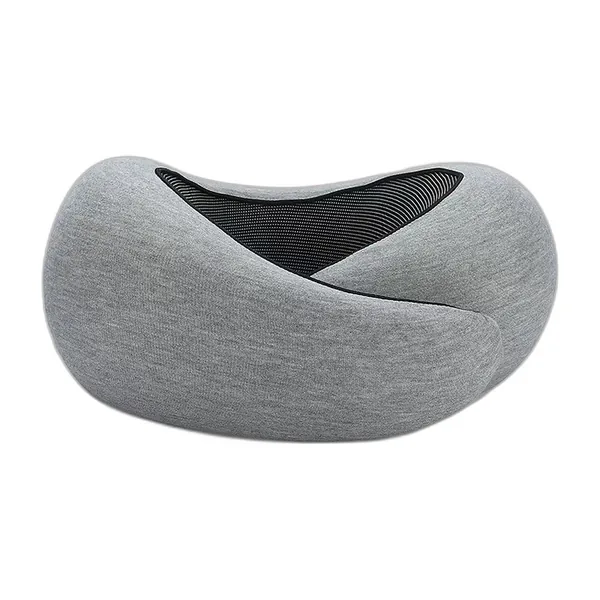
Wrap-around memory foam neck pillow, adjustable with a hook-and-loop strap, removable cover and carry pouch.
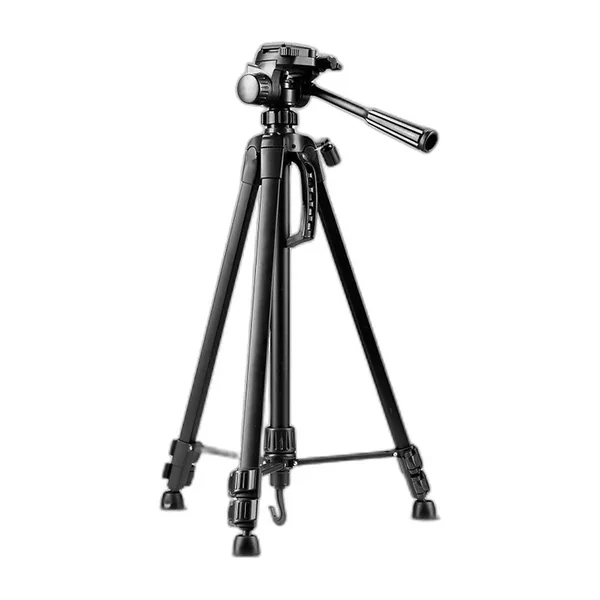
Three-section aluminium tripod, 57.5 to 139 cm, quick-release plate and carry bag, for long exposures and night skies.
Before you go
Right after payment you receive a download link: the full guide in HTML, readable on any device and printable to PDF in one click (Cmd/Ctrl+P), plus the chapters in Markdown to read wherever you like. No proprietary app, no subscription.
Not yet: the guide is currently written in French, and an English edition is in the works. Prices, routes and checklists are of course language-independent — but if you don't read French, we recommend waiting for the English edition.
Yes: the price ranges, local rules and advice reflect the 2026 situation. The fundamentals — itineraries, driving or transport, logistics — change very little from year to year.
A simple guarantee: 14 days, money back, no questions asked. One email to our support is enough — full refund within 48 hours. We'd far rather refund you than leave a disappointed reader.
Our free pages (the Chile country page, destinations, field notes) give you the panorama. The guide gives you the complete, ordered method: day-by-day itineraries, a line-by-line budget, detailed driving and logistics, and every checklist. It's the digest we wish we'd had before our first trip.