Death Valley
At 86 m below sea level, the hottest place on Earth lines up cracked salt flats, blond dunes and crumpled badlands: beauty in its mineral state, without a shadow.
Suggested stay — 1 to 2 nights
Death Valley is the largest national park outside Alaska, and the most counter-intuitive: everything is visited from an air-conditioned car in short, calibrated outings. Zabriskie Point unfolds its golden badlands at sunrise, Badwater Basin stretches its cracked salt floor at -86 m, Artists Drive winds one-way through pastel hills (the Artists Palette turns green and violet late in the day), and the Mesquite Flat dunes catch the low light near Stovepipe Wells. In one full day and one night, the essentials are seen — but what a day.
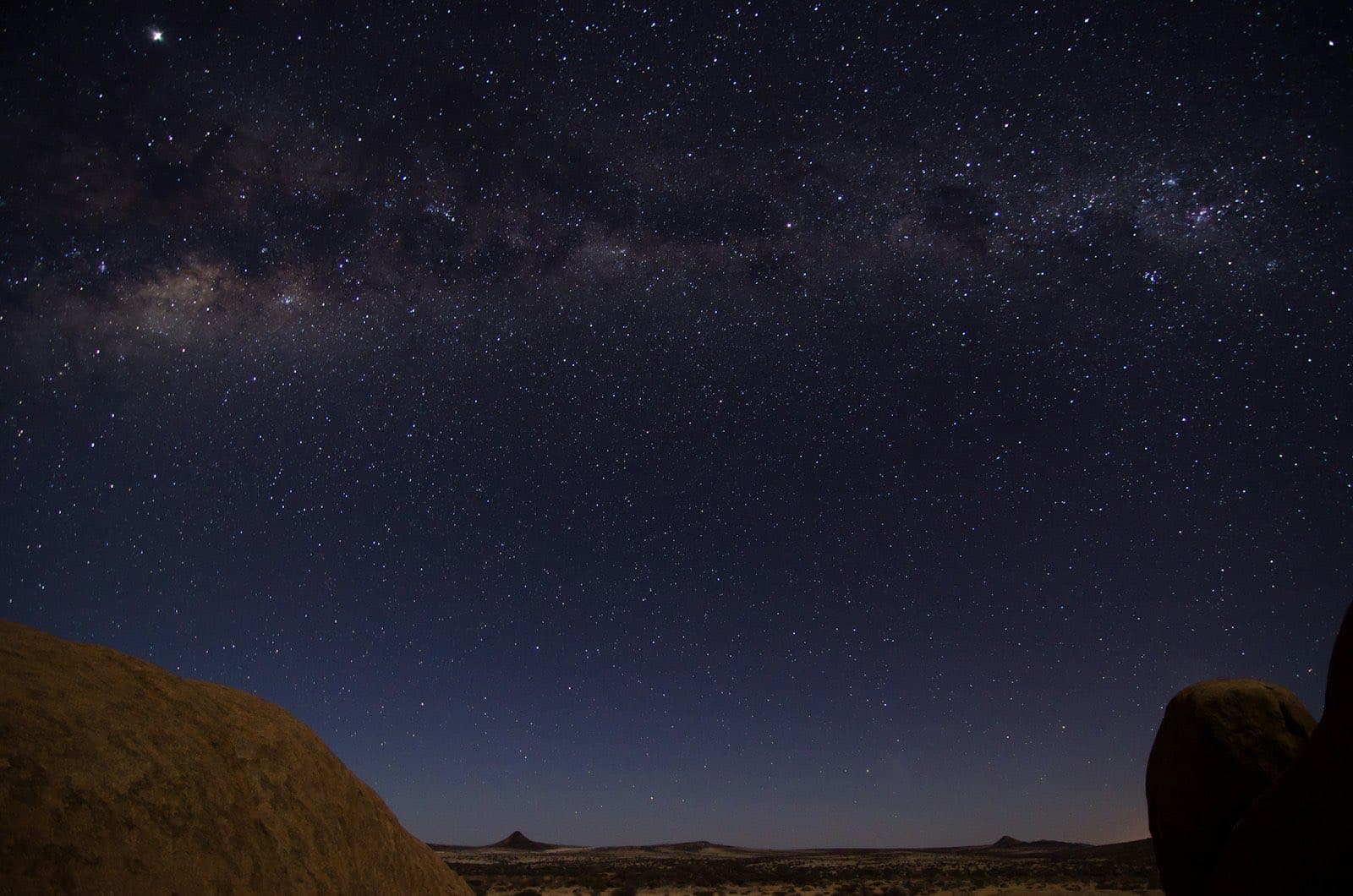
The valley dictates its terms: from May to September, 45-50 °C is not an anecdote but the environment — hiking effectively banned after 10 am, the vehicle never left without water (4 L/person in the trunk, minimum), and air conditioning cut on the climbs to spare the engine. From October to April the park becomes a paradise of gentle hiking: Golden Canyon, Mosaic Canyon, and a night sky certified Dark Sky Gold — among the starriest in the United States.
Don't miss
- Zabriskie Point at sunrise, when the badlands light up
- Badwater Basin and its walk on the salt, early or late in the day
- Artists Drive and its Palette in late afternoon (one-way, vehicles under 7.6 m)
- The Mesquite Flat dunes at sunset, then the stars from Harmony Borax Works
Our tips on the ground
- Fill up BEFORE entering (Beatty or Pahrump): Furnace Creek fuel is among the country's most expensive, and internal distances run to dozens of miles.
- In summer, fit your outings between dawn and 9 am: the world heat record (56.7 °C) was measured here, and every year rescuers recover hikers who went out "just to look".
- Phone coverage is nearly nonexistent: tell someone your route and keep offline maps — GPS has already sent visitors down fatal back roads.
Our flagship guide — €44
Guide available“The United States, Independently”, the complete edition, is out
10 chapters: day-by-day itineraries, driving and transport, a costed budget and checklists — the same method as our Namibia guide.
The guide is currently written in French — an English edition is in the works.
No time to do it yourself?
A professional can take care of it: tailor-made trip, equipped 4x4 rental or a local guide. Describe your plans and, with your consent, we pass them on to partner professionals.
1. What you need
Before you go
Readers' questions about Death Valley
Can Death Valley be visited in summer?
Yes, thousands do — in the air-conditioned-car-and-short-viewpoints version, never as a hike. The NPS rules: outings before 10 am, 4 litres of water per person, never far from the vehicle, and give up the remote tracks (a breakdown at 48 °C quickly becomes a life-threatening emergency). If you can choose, November-March offers the same scenery with French-spring temperatures.
How do you fit Death Valley into an itinerary?
It sits naturally between Las Vegas (2 h) and the Sierra Nevada: many cross it as a day-stage between Vegas and Lone Pine or Yosemite on CA-190. A night on site (Stovepipe Wells, more affordable than Furnace Creek, or Texas Springs campground in winter) turns the crossing into a real visit: sunrise and sunset are 80% of the place's magic.