Lake Titicaca
An inland sea at 3,812 m, reed islands that have floated for centuries and communities who weave their lives like their textiles: the world's highest navigable lake is a journey within the journey.
Suggested stay — 2 nights
The world's highest large navigable lake has to be earned: Puno, its gateway, is a graceless staging town, but as soon as the lancha leaves port the magic works — first the floating islands of the Uros, totora-reed platforms endlessly rebuilt since pre-Columbian times, then Taquile, a terraced garden-island where the men knit their social status into their hats, a craft listed by UNESCO.
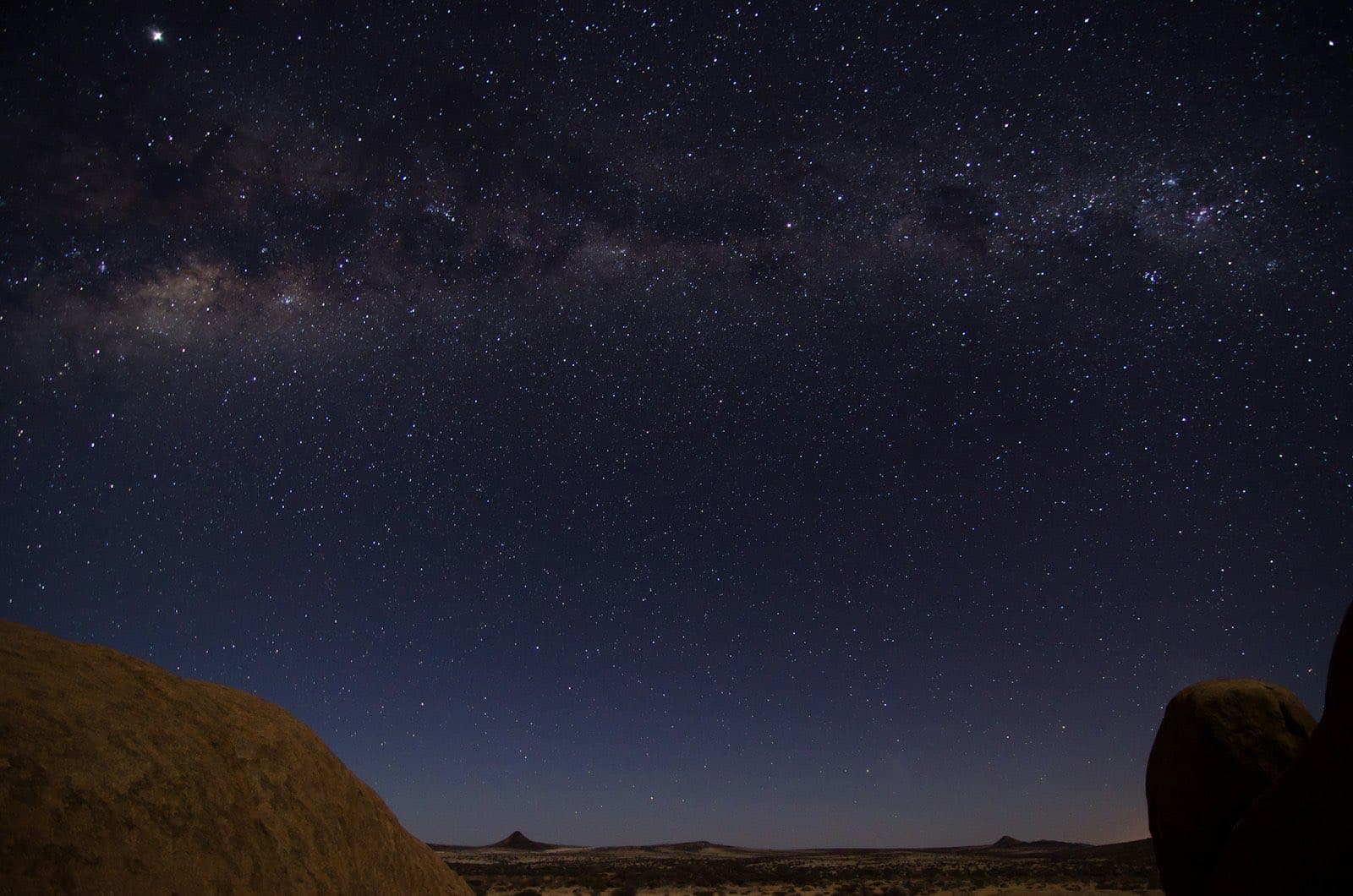
The real Titicaca is lived at night: a homestay on Amantaní or on the Capachica peninsula (Llachón), sharing quinoa soup and the lake's supernatural silence beneath a high-altitude Milky Way. On the road from Cusco, don't miss the chullpas of Sillustani, Colla funeral towers on the shore of the Umayo lagoon — the Altiplano's finest little-known site, at sunset.
Don't miss
- The floating Uros islands from Puno, early to beat the carousel of groups
- Taquile and its terraces: walk up, trout lunch overlooking the lake
- A homestay night on Amantaní or at Llachón, the true heart of the experience
- The Sillustani funeral towers at sunset, on the road to Cusco
Our tips on the ground
- Choose a community-run tour (or book directly at Llachón) over the excursion factories of Puno's port: the price is similar, the encounter is nothing alike.
- At 3,812 m the sun burns in 20 minutes and dry-season nights drop below zero: factor-50 sunscreen, a beanie and a sleeping-bag liner for the homestay night.
- The Cusco-Puno road (3S, ~390 km) is one long day's drive with the stops (Andahuaylillas, Raqchi, the La Raya pass) — or a tourist bus serving the same sites if you've returned the car in Cusco.
Our flagship guide — €44
Guide available“Peru on Your Own”, the complete edition, is out
10 chapters: day-by-day itineraries, driving and transport, a costed budget and checklists — the same method as our Namibia guide.
The guide is currently written in French — an English edition is in the works.
No time to do it yourself?
A professional can take care of it: tailor-made trip, equipped 4x4 rental or a local guide. Describe your plans and, with your consent, we pass them on to partner professionals.
1. What you need
Before you go
Readers' questions about Lake Titicaca
Are the Uros islands a tourist trap?
They are touristy AND authentic: the Uros families genuinely live on their totora islands and tourism is now their acknowledged economy — demonstrations, reed-boat rides and handicrafts are part of the deal. To get the dose right: spend an hour there at the start of the trip, then push on to Taquile or Amantaní where the rhythm turns properly insular.
Should you continue to the Bolivian side?
If your itinerary allows, Copacabana and Isla del Sol (Bolivia) show the lake's most beautiful face — but Peruvian rental cars generally cannot cross the border. The workaround: return the vehicle in Puno or Cusco and continue by bus via Kasani, or settle — royally — for the Peruvian shore with a night at Llachón.