Central Kalahari (CKGR)
A reserve half the size of Portugal, a handful of tracks, zero services: the Central Kalahari is the very definition of African solitude.
Suggested stay — 2 to 3 nights
The CKGR is one of the continent's largest and least-visited reserves. Its fossil valleys — Deception Valley foremost, made famous by zoologists Mark and Delia Owens — green after the rains, drawing springboks, oryx and their predators: cheetahs, brown hyenas and the famous black-maned Kalahari lions.
You enter in total autonomy: water, fuel and food for the whole stay, bare campsites booked ahead, no phone signal. It is the summit of self-drive commitment — for crews already tempered by Moremi or deep Namibia, ideally in convoy.
Don't miss
- Deception Valley in the green season (January-April), theatre of the great gatherings
- The black-maned lions, emblem of the Kalahari
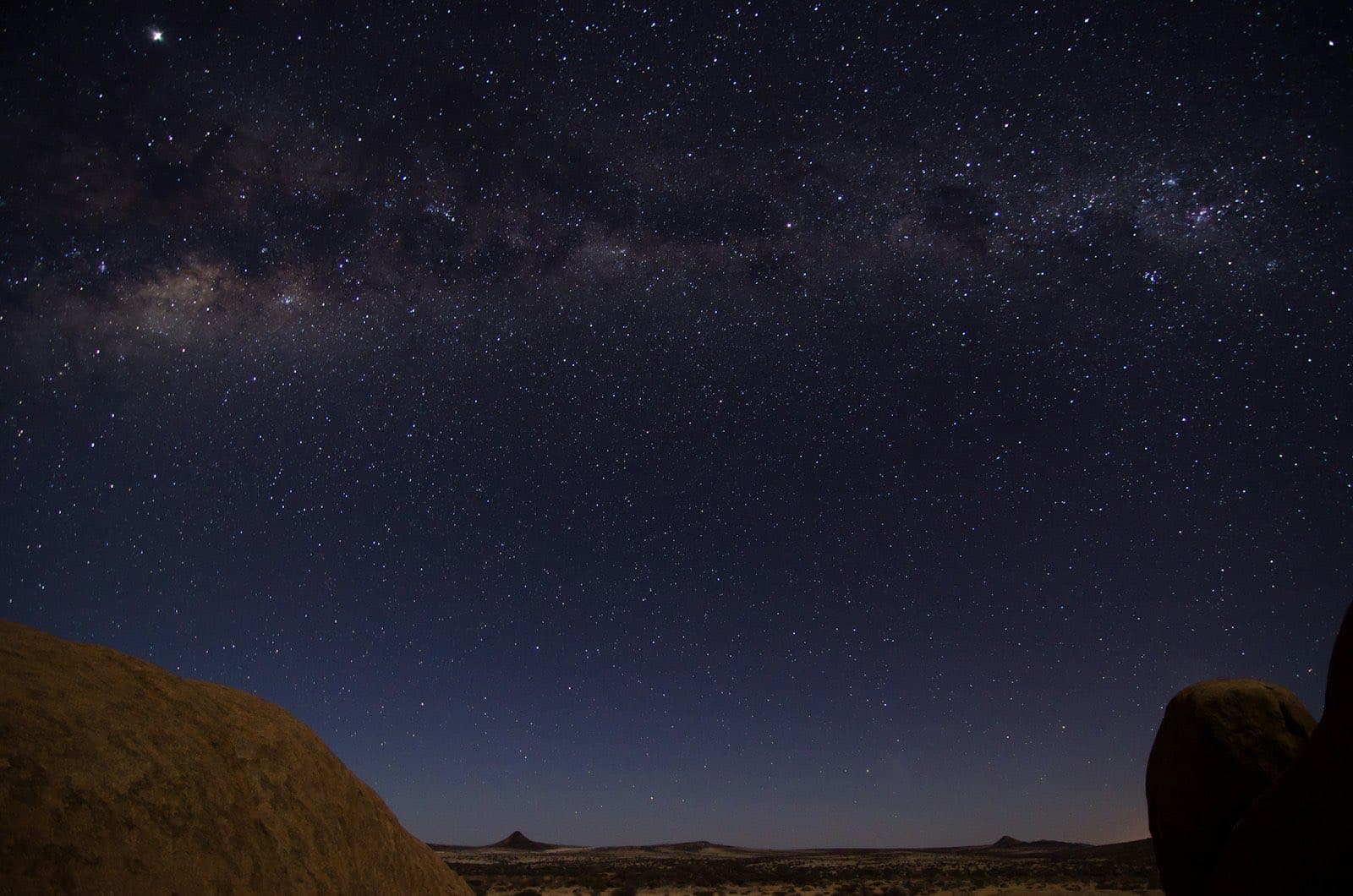
- Nights at a bare campsite, no fence and no neighbour for 50 km
- Respectful organised visits with San communities on the reserve's fringes
Our tips on the ground
- Counter-intuitive: the best season is the rains (December-April), when the valleys green — in the dry season the wildlife scatters and days top 40 °C.
- Strict autonomy: count 10 litres of water per person per day, and leave a route plan with someone.
- The sand rolls easier than Savuti's but the distances double: tanks full at Rakops or Ghanzi.
Our flagship guide — €44
Guide available“Botswana on Your Own”, the complete edition, is out
10 chapters: day-by-day itineraries, driving and transport, a costed budget and checklists — the same method as our Namibia guide.
The guide is currently written in French — an English edition is in the works.
No time to do it yourself?
A professional can take care of it: tailor-made trip, equipped 4x4 rental or a local guide. Describe your plans and, with your consent, we pass them on to partner professionals.
1. What you need
Before you go
Readers' questions about Central Kalahari (CKGR)
Is the CKGR essential on a first trip?
No — it's the piece to save for a second or third Botswana journey. The northern loop (Moremi, Savuti, Chobe) offers ten times more wildlife per kilometre. You come to the CKGR for immensity and solitude, not for sighting counts.
Is there really zero service inside?
Yes: no fuel, no shop, no reliable drinking water, no phone network. The only facilities are marked camping spots, sometimes a shade tree and a long-drop. That is precisely its entry price — and its reward.