From our field notes
Family Road Trip in Namibia: What Age to Go, Safety and Planning with Kids
Published 21 July 2026 · updated 27 September 2026 · 9 min read
By Clément Lacaille, publisher · our method
A door swinging open on a baby giraffe three metres away, evenings spent watching the Milky Way from a rooftop tent, five days without a single screen: Namibia has everything going for it as a dream family road trip. It also comes with its own constraints — long distances between stops, malaria risk zones in the north, a 4x4 that needs the right gear for young children. Here's how to plan around both, step by step.
Namibia: a more family-friendly destination than it looks
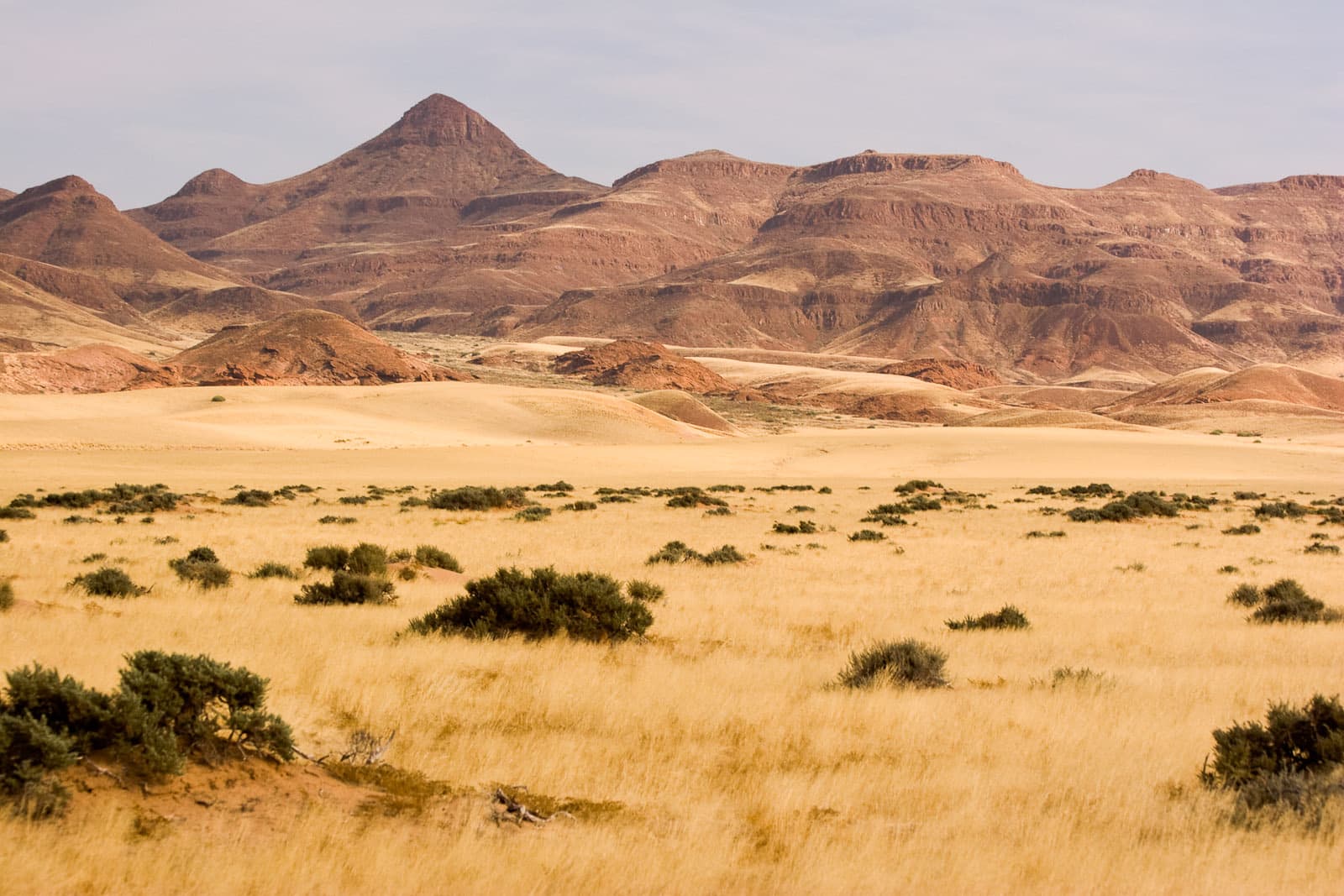
On paper, a semi-arid desert twice the size of France can sound intimidating with kids in tow. In practice, Namibia ticks several reassuring boxes for a first big family road trip: a well-maintained main road network, English widely spoken, low crime on the tourist circuit, and campsites and lodges well used to families, with space between pitches and often other children to talk to around the fire.
The benefit isn't just logistical. A study by Dina Izenstark and Aaron Ebata, published in 2016 in the Journal of Family Theory & Review, found that family-based nature activities — trips like this one included — support communication, cohesion and overall family functioning more than many other shared leisure activities (study: doi.org/10.1111/jftr.12138). Worth remembering on the long stretches of gravel: they're part of the payoff, not just the price of getting there.
What age is right? There's no minimum, just the right itinerary
Nothing rules out bringing a baby or toddler to Namibia, and plenty of families do so successfully on the classic circuit (Windhoek, Sossusvlei, the coast, southern Etosha), which sits in a very-low malaria-risk zone. But the experience shifts a lot with age: a child under 3 mostly enjoys camp comforts and short drives, while from around 5-6, spotting animals, learning about the desert and taking real pride in being 'co-pilot' (reading signs, holding the map) genuinely change the trip.
The variable to adjust isn't a minimum age, then, but daily driving time: aim for 2 to 3 hours of driving a day at most with young children, versus 4 to 5 hours on a typical adult circuit, even if that means adding a few days or cutting a stop or two. An itinerary built for two adults doesn't simply transfer — see our guide on how many days to plan to rework the pace.
Car seats and booster seats: what to book before you leave
Namibian regulations require some form of child restraint in a vehicle, though sources disagree on the exact threshold — some cite age 8, others age 12 or a height of 1.35m depending on the reference used. Rather than chasing the legal minimum, the safer practical rule is to match the seat to the child's actual age and weight, the way you would in Europe: an infant carrier for a baby, a harnessed seat for a young child, then a booster.
Reputable 4x4 rental companies offer car seats and boosters as an add-on — book them when you book the vehicle, not on arrival: the range of sizes available last-minute at Windhoek airport is far more limited than what you can pre-book. Also check the seat's condition at handover (working harness, no cracks in the shell) just as you would the rest of the vehicle kit.
Malaria, vaccines and a first-aid kit built for children
The core of the classic Namibian circuit (Sossusvlei, the Skeleton Coast, Fish River Canyon, southern Etosha) sits in a very-low malaria-risk zone — see our dedicated article on risk zones for the detailed map. The real risk is concentrated in the north, across the Zambezi region (formerly Caprivi), Kavango and the Kunene valley, with a notable resurgence of cases in early 2026: a family itinerary heading into those regions deserves a proper travel-medicine consultation, not a quick online search.
Choosing antimalarial prophylaxis for a child is more constrained than for an adult: doxycycline isn't recommended below age 8 (risk of tooth discolouration), which mainly leaves atovaquone-proguanil or mefloquine, both available as paediatric tablets dosed by the child's weight — a point to confirm with a paediatrician or a travel clinic 4 to 6 weeks before departure, alongside routine vaccinations.
A study by Stefan Hagmann and colleagues, published in 2010 in the journal Pediatrics using data from the GeoSentinel Surveillance Network, analysed the reasons over 1,590 children sought care after international travel: diarrhoea (28%), skin conditions (25%) and systemic febrile illness (23%) topped the list, with febrile illness disproportionately linked to travel in sub-Saharan Africa (study: doi.org/10.1542/peds.2009-1951). Good reason to pack a family first-aid kit a notch more complete than a childless couple's, with oral rehydration salts and a thermometer near the top.
Planning the route: distances, breaks and family-friendly stays
The golden rule is the same everywhere: two short legs beat one long one. Plan a break roughly every two hours, with water and snacks within reach — Namibian heat dehydrates faster than expected, kids included (see our article on the signs of heatstroke and dehydration on a road trip).
On accommodation, Namibian campsites (NWR-run, private or community-run) generally offer enough space between pitches for kids to play safely, and many charge reduced or no fees for younger children — worth checking case by case when booking (see our guide to booking without surprises). A rooftop tent makes bedtime easier, but a child afraid of the dark or the ladder might prefer a solid-walled room now and then: alternating camping and a lodge every 3-4 days is a comfortable compromise for everyone, adults included.
| Child's age | Recommended driving distance / day | Main thing to watch |
|---|---|---|
| 0-2 years | 2 h max | Shade, hydration, properly fitted infant seat |
| 3-5 years | 2-3 h | Quiet in-car activities, frequent breaks |
| 6-10 years | 3-4 h | Involvement (co-pilot role), wildlife spotting |
| 11+ years | 4-5 h | Close to adult pace, more self-sufficient at camp |
In the parks: kids' fees and discipline around wildlife
Good news on the budget side: at Etosha, children aged 8 and under enter free regardless of nationality, and 9-16 year-olds pay a reduced rate compared with adults (MEFT's latest official schedule, in force since 1 January 2021; new fees announced for 2026 are awaiting official publication) — see our self-drive Etosha guide for the full gate and fee details. Most other parks and conservancies follow a similar logic.
Discipline around wildlife matters even more with kids in the car: windows up and a safe distance from elephants or lions, no arms or hands out for a photo, and above all, an over-excited child shouting or banging on the bodywork can trigger an unpredictable reaction from the animal — or the driver in the next vehicle. See our article on photographing wildlife in Namibia for the ground rules to set before the first game drive.
What's better left for another trip with young children
Some of Namibia's finest experiences for adults or teens don't suit toddlers well: the Fish River Canyon hike (several days, full pack, no medical support en route) has its own minimum age set by the park; the remote tracks of the Skeleton Coast or Kaokoland pile on driving hours far from any medical facility; and night driving, already discouraged and often excluded from rental contracts, is even less appealing with kids already asleep in the back.
Better to build the family itinerary around the accessible heart of the country — Windhoek, the Namib and Sossusvlei, the Swakopmund coast, southern Etosha — and save the more demanding extensions for a future trip as a couple or with older teens.
Sources
Free excerpt
The 7 mistakes to avoid on a first Namibia road trip
A real excerpt from our Namibia expertise: 4x4 insurance, gravel speed, NWR bookings, season, fuel, Etosha… The 7 costly mistakes, and the right reflex for each. Instant access, with the current promo code.
No time to do it yourself?
A professional can take care of it: tailor-made trip, equipped 4x4 rental or a local guide. Describe your plans and, with your consent, we pass them on to partner professionals.
1. What you need
Before you go
Readers' questions
Is any vaccine mandatory to bring a child to Namibia?
No vaccine is required on entry for travellers coming from Europe outside a yellow-fever transit zone. A child's routine vaccinations should be up to date, and some travel vaccines (hepatitis A, typhoid depending on the itinerary) are worth discussing with a travel clinic beforehand — see our dedicated article on recommended vaccines.
Can a baby sleep in a 4x4 rooftop tent?
It's possible and common, but the ladder and the drop beneath the tent call for constant supervision once a child starts moving around on their own. Many families with a baby or very young child prefer a solid-walled unit or a ground tent for that age group, even if it means booking a 4x4 without a rooftop tent.
How much extra budget should we plan for a family trip versus a couple's?
The extra cost stays moderate on the essentials: fuel and park fees barely change, most parks are free or discounted under 16, and many campsites charge little or nothing extra for children. Accommodation is where costs rise most if you opt for larger family units or lodges over camping — see our food budget guide to adjust the rest of the food spend.